Imagine you’re cruising along the Waterfront Trail on a sunny Saturday, but your route back takes you through the construction-heavy streets of downtown Toronto. You need a bike that handles the smooth path and the jagged potholes with equal confidence. Many riders feel stuck choosing between a delicate road bike and a heavy mountain bike, worried that the wrong choice will lead to constant maintenance or a sluggish commute. It’s common to feel overwhelmed by technical specs and unsure if you need specialized components for casual weekend outings or daily trips to the office.
This guide explores why fitness bikes are often the smartest tool for the GTA’s diverse terrain. You’ll discover how these versatile bicycles compare to road and mountain models, helping you decide which frame and components actually fit your lifestyle. We’ve been helping neighbours in Toronto and Mississauga find their perfect ride since 2014, and we know that the right choice depends on your specific goals. We will also explain how an Expert bike fit ensures your new bicycle feels natural and comfortable, whether you’re exploring the Don Valley or the Niagara Escarpment.
Key Takeaways
- Understand why fitness bikes are the ideal middle ground for riders who need a single bicycle to handle both gravel paths and cracked city pavement.
- Compare the speed of road models with the stability of mountain bikes to see how Fitness Bike geometry provides better visibility and control in Toronto traffic.
- Identify which drivetrain components, including Shimano 105 and SRAM Rival, offer the best balance of durability and performance for the Ontario climate.
- Discover how to protect your investment from road salt and grit while managing chain wear through professional maintenance.
- Realize how an Expert bike fit optimizes your comfort and control for long-distance rides across the GTA.
From Hybrid to the Modern City Bike
Hybrid Bikes are part of the history of the modern City Bike. The traditional Hybrid Bike was developed as a versatile all-purpose bicycle, commonly combining a flat handlebar and 700c/29-inch wheel platform with wider tires and, on many models, a suspension fork. The goal was to provide a practical middle ground between road and mountain bikes.
As bicycle design became more specialized, that broad concept evolved into a wider City Bikes category with distinct bicycles designed around different riding priorities. Hybrid Bikes are referenced here as historical context. They are not a current Pedalinx product category.
City Bikes and Their Categories
At Pedalinx, the Specialized City Bikes category is organized around distinct types of everyday bicycles:
- Fitness Bikes: Focused on efficient pedaling, responsive handling, fitness riding and everyday versatility.
- Comfort Bikes: Focused on an upright, relaxed riding position, stability and comfort. The Specialized Roll belongs in this category.
- Commuter/Urban Bikes: Designed around practical transportation and everyday urban riding.
- Commuter E-Bikes: Combine practical city-bike design with electric assistance.
What Defines a Fitness Bike?
A Fitness Bike is designed to combine efficient pedaling with everyday comfort and versatility. It is generally more performance-oriented than a Comfort Bike while offering a more accessible flat-bar riding position than a drop-bar road bike.
- Flat-bar design: Straightforward controls and an accessible riding position.
- Efficient pedaling: Designed for paved roads, bike paths and fitness riding.
- Lightweight construction: Many models use lightweight aluminum or carbon frames.
- Nimble handling: Responsive handling suited to city streets, paths and recreational riding.
- Comfort-oriented geometry: More relaxed than a dedicated road bike while retaining efficient forward motion.
- Wider tires than a road bike: Tire width varies by model and can add comfort and confidence on imperfect pavement and light gravel.
- Rigid fork on many models: Keeps weight down when suspension is not required.
- Versatile gearing: Supports everyday riding, hills, fitness efforts and longer recreational rides.
Fitness Bikes vs. Comfort Bikes
Both are City Bike categories, but their priorities differ. A Fitness Bike emphasizes efficient pedaling and responsive handling. A Comfort Bike emphasizes an upright, relaxed position, stability and ease of use. The Specialized Roll is a Comfort Bike, not a Fitness Bike.
What Are Fitness Bikes and Who Are They For?
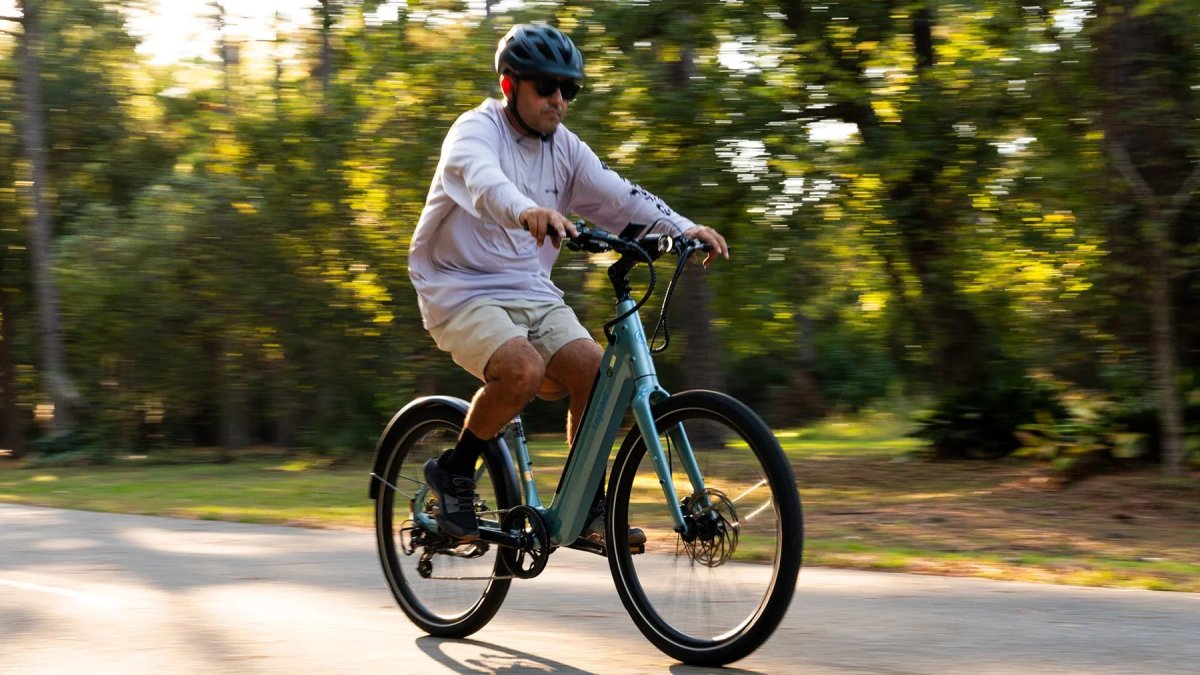
A Fitness Bike bicycle is often called the Swiss Army Knife of the cycling world. It’s built to bridge the gap between a high-speed road bicycle and a rugged mountain bike. For many people, fitness bikes represent the most practical choice because they combine the flat-bar comfort of an off-road bike with the efficient, narrower tires found on road models. If you’re a Toronto commuter navigating the morning rush or a recreationalist exploring local parks on the weekend, this category is designed for you. The upright geometry isn’t just about comfort; it provides much better visibility in heavy city traffic, allowing you to keep an eye on vehicles and pedestrians more effectively.
The Anatomy of a Fitness Bicycle
The design starts with flat handlebars. These offer a wide grip that improves control and provides immediate access to braking levers, which is vital when navigating unpredictable urban environments. Unlike the aggressive, bent-over position of a race bike, Fitness Bike frame geometry is built for sustainable comfort over long durations. This upright posture reduces strain on your neck and back, making it easier to stay in the saddle for hours. What is a fitness bike? At its core, it’s a versatile frame often equipped with dedicated mounts for racks and fenders. These additions are essential for Ontario weather, helping you stay dry during spring showers and carry gear for a full day of riding.
Why GTA Riders Choose Fitness Bike Versatility
Local riders often need a bicycle that can transition seamlessly from downtown asphalt to the gravel paths of the Don Valley. The slightly wider tires on fitness bikes are perfect for absorbing the impact of deep potholes and those notorious streetcar tracks that can catch narrower road tires. This versatility makes them a logical choice for the 140km Waterfront Trail, where surfaces can change from paved paths to hard-packed dirt. We’ve seen how these bikes handle the unique demands of our region since we opened in 2014. If you’re looking for a reliable ride, brands like Specialized and Marin offer excellent Fitness Bike options that balance performance with daily utility.
Fitness Bike vs. Road Bike vs. Mountain Bike: Comparing Your Options
Fitness Bike vs. Road vs. Mountain: Comparing Your Options
Selecting the right bicycle involves balancing speed, comfort, and durability. While a road bicycle is built for pure velocity on smooth pavement, it often lacks the utility needed for daily GTA life. Conversely, a mountain bike is designed for rugged trails, but its heavy frame and suspension can feel sluggish on city streets. For most riders, fitness bikes offer the best cost-to-performance ratio, providing a reliable ride that doesn’t break the bank or require specialized gear.
Fitness vs. Road Bicycles: Speed vs. Practicality
Road bikes use drop bars to help you stay aerodynamic, but this position can be taxing on your back and neck. Hybrids use flat bars, which place you in an upright position that feels more confidence-inspiring for beginners. This stance improves your field of vision when merging into Mississauga traffic or checking for car doors. Additionally, road tires are often narrower and higher pressure. A Fitness Bike’s wider tires provide a larger contact patch with the ground. This extra rubber absorbs vibrations from road grit and uneven asphalt, making your commute much smoother than it would be on a dedicated racing bicycle.
Fitness vs. Mountain Bikes: Efficiency vs. Capability
You might think a mountain bike is necessary for the Don Valley trails, but unless you’re hitting technical singletrack, heavy front suspension is often overkill. Most park paths and multi-use trails are well-maintained. A Fitness Bike is significantly lighter than an entry-level mountain bike, which is a major benefit if you need to carry your bicycle into a Toronto condo or onto a GO Train. You’ll also find that fitness bikes are much more efficient on paved surfaces. Without the bobbing effect of soft suspension, every pedal stroke translates into forward motion, saving you energy on longer rides like the Waterfront Trail.
If you aren’t sure which geometry feels right for your body, it’s helpful to visit our team in Toronto or Mississauga to test a few different styles in person. We can help you compare the feel of different frames to ensure you’re making a choice that fits your specific riding goals.
Choosing the Right Components for Your Fitness Bike
The drivetrain is the core of your bicycle’s performance. It dictates how efficiently you can climb a steep hill in the Credit River valley or accelerate from a stoplight in downtown Toronto. When you browse fitness bikes from established brands like Specialized and Marin, you’ll see a variety of frame materials. Aluminium frames are common for their durability and value, while carbon fibre options provide a different ride quality that can help dampen vibrations on uneven streets. Neither material is strictly superior; your choice should reflect your budget and how often you plan to ride.
Understanding Groupsets: Shimano 105 and SRAM Rival
Selecting a mid-range groupset is a smart move for durability. Shimano 105 is often considered the reliable standard for riders who want smooth, consistent shifting without the price tag of pro-level gear. If you prefer modern technology, SRAM Rival is an excellent alternative, especially with the availability of SRAM AXS wireless options. These electronic systems provide crisp shifts with minimal effort and reduce the need for traditional cable adjustments. Choosing a quality groupset helps manage long-term maintenance and can slow down the rate of chain wear, keeping your bicycle running efficiently for longer.
Braking Systems and Tire Selection
Ontario weather is unpredictable, so reliable stopping power is a priority. Disc brakes are the preferred choice for GTA riders because they perform consistently in rain, mud, or light snow. Unlike traditional rim brakes, disc systems aren’t affected by wet wheel rims, which is vital for safety on slick city streets. Your choice of tires also plays a major role in your ride quality. A tire with a light tread pattern offers a good balance for those who split their time between smooth asphalt and the gravel paths of the Waterfront Trail. Adjusting your tire pressure can also make a difference; lower pressure increases comfort on bumpy roads, while higher pressure reduces rolling resistance for faster commutes.
If you’re ready to see these components in action, visit our Toronto or Mississauga locations to speak with our staff about which setup fits your needs.
Maintenance and Fit: Getting the Most From Your Ride
Owning one of the high-quality fitness bikes from our collection is a long-term investment in your health and mobility. To keep your bicycle running smoothly, you must account for the unique environmental factors found in Southern Ontario. Unlike a car, a bicycle’s moving parts are almost entirely exposed to the elements. Regular attention ensures your ride remains reliable and safe for years. We’ve been helping neighbours in the GTA maintain their equipment since 2014, and we’ve learned exactly what it takes to keep a bicycle performing at its best through every season.
Combating Winter Salt and Road Grit
Toronto’s road salt and winter grit are the primary enemies of any bicycle drivetrain. If you ride during the shoulder seasons or throughout the winter, salt can lead to rapid corrosion and seized components. We recommend a quick wipe down of the frame and chain after any wet or salty ride to remove abrasive particles. It’s also vital to monitor your chain for chain wear. Over time, internal wear leads to chain elongation, which can damage your cassette and chainrings if the chain isn’t replaced in time. Scheduling regular, professional bike service and repair is the best way to prevent these costly part replacements. Our technicians can check your components for wear and ensure your bicycle stays in top condition.
The Value of an Expert Bike Fit
Many people assume a specialized fit is only for competitive racers. In reality, an Expert bike fit is essential for anyone spending significant time in the saddle. Proper positioning improves your comfort and ensures sustainable biomechanics, which reduces the risk of strain on your knees, wrists, and lower back. Whether you’re commuting through Mississauga or exploring the Niagara Escarpment, you want a position that feels natural. You can begin by consulting our Canadian cyclist’s guide to bike sizing to find your baseline. For the best results, we encourage you to visit us for a full assessment. We’ll adjust your saddle height, reach, and handlebar position to ensure your bicycle provides a personalized ride that fits your body perfectly.
Ready to Explore the GTA on Two Wheels?
Choosing between different bicycle styles doesn’t have to be complicated. Whether you’re commuting to a downtown office or spending your Saturday on the Waterfront Trail, fitness bikes offer the balance of speed and stability that Ontario riders need. By selecting a model with reliable components, you ensure your bicycle can handle local potholes and grit with ease. Remember that regular maintenance and a proper fit are what truly make a bicycle feel like it was built specifically for you.
Since 2014, we’ve served as an authorized dealer for Specialized and Marin, helping cyclists across the region find dependable gear. Every new bicycle purchase includes an Expert bike fit to optimize your comfort from day one. Our full-service repair shops in Toronto and Mississauga are always ready to help you manage chain wear and protect your investment against the elements. We invite you to find your perfect fitness bike at our Toronto or Mississauga locations. We look forward to seeing you on the trails soon.
Frequently Asked Questions
Are fitness bikes good for long-distance riding?
Fitness Bikes are excellent for long-distance recreational rides, such as exploring the full length of the Waterfront Trail. Their upright geometry reduces strain on your back and neck compared to a road bicycle, making four or five hours in the saddle much more manageable. While they aren’t as fast as a racing model, the added comfort often allows riders to enjoy longer distances without the fatigue associated with aggressive body positioning.
Can I use a fitness bike on mountain bike trails near Toronto?
You can comfortably ride a Fitness Bike on gravel paths and hard-packed dirt trails like those found throughout the Don Valley. These bicycles handle the transition from asphalt to light off-road surfaces with ease. However, they aren’t designed for technical mountain bike trails with large rocks, roots, or steep drops. For those conditions, a dedicated mountain bike with specialized geometry and knobby tires is a safer and more effective choice.
Do I need suspension on my Fitness bicycle for city commuting?
Suspension is usually unnecessary for commuting in Toronto or Mississauga. While it might seem helpful for potholes, a suspension fork adds significant weight and can make your pedalling feel less efficient. Instead, look for a Fitness Bike with wider tires. High-quality tires provide enough air volume to absorb vibrations from road grit and uneven pavement while keeping the bicycle light and responsive for quick city maneuvers.
What is the difference between a Fitness and a gravel bike?
The primary difference lies in the handlebars and rider position. Fitness Bikes use flat bars and offer a very upright stance for maximum visibility and control. Gravel bikes typically use drop bars and have a more aerodynamic, performance-oriented geometry. While both handle mixed terrain well, a Fitness Bike is often more confidence-inspiring for urban utility, whereas a gravel bike is built for riders who prioritize speed on unpaved roads.
How often should I bring my fitness bike in for a tune-up in the GTA?
We recommend a professional tune-up at least twice a year, ideally in the spring and autumn. The GTA climate is particularly harsh on bicycle components due to road salt and winter grit. Regular check-ups allow our technicians to monitor chain wear and prevent chain elongation from damaging your drivetrain. Frequent maintenance is the best way to ensure your bicycle remains reliable and safe throughout the changing Ontario seasons.
Is it worth upgrading a fitness bike to Shimano 105 or SRAM AXS?
Upgrading to mid-range components like Shimano 105 or SRAM Rival is a great way to improve shifting reliability and long-term durability. If you want the latest technology, SRAM AXS offers wireless shifting that eliminates cable maintenance and provides a very clean look. These upgrades are worth considering if you ride frequently, as higher-quality groupsets often provide a more consistent experience and can better withstand the demands of daily commuting.