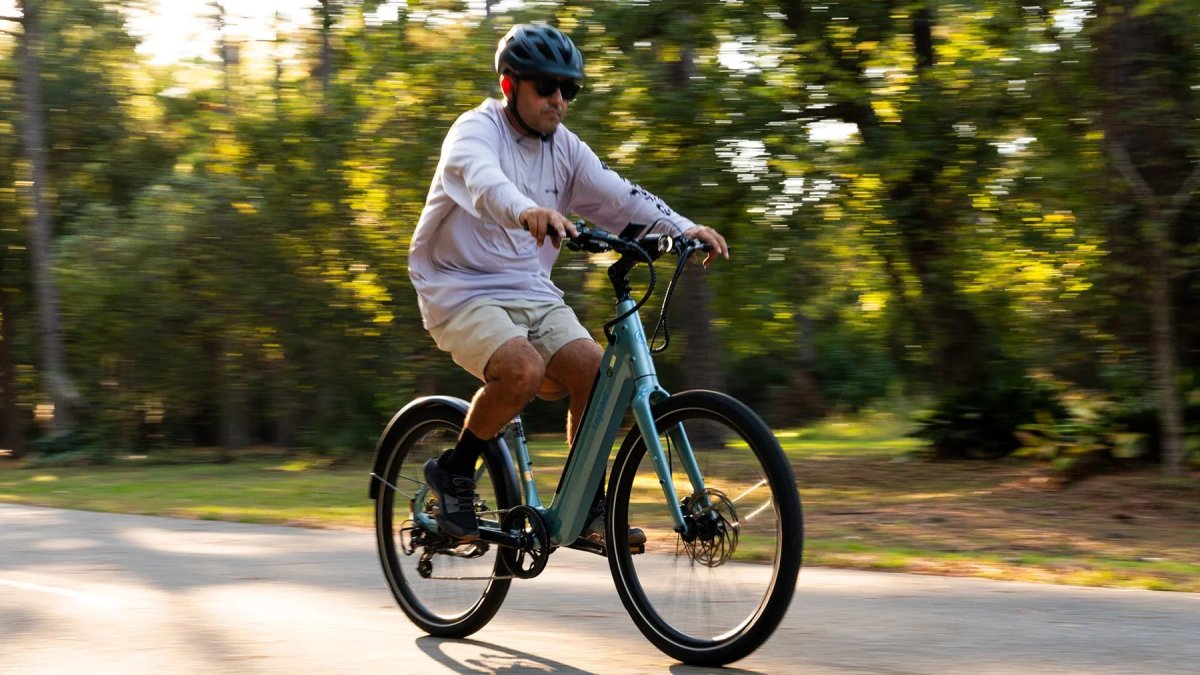
Your e-bike battery is one of the most important and valuable components on your electric bicycle. Good charging, storage and handling habits can help maintain battery performance and reduce avoidable wear, particularly when riding through Toronto and the GTA’s changing temperatures, wet conditions and winter road salt.
At Pedalinx, we’ve helped riders since 2014 with e-bike service, maintenance and diagnostics. This guide explains practical ways to care for a lithium-ion e-bike battery, including charging, winter storage, wet-weather riding, battery safety and the warning signs that indicate a battery should be inspected.
Toronto Fire Services has reported a significant increase in incidents involving lithium-ion batteries. Its 2024 reporting recorded 76 incidents, compared with 11 in 2020, representing a 591% increase. Proper use, charging, storage and handling are therefore important parts of e-bike ownership.
For additional safety information, see the Government of Canada’s lithium-ion battery safety guidance and Toronto Fire Services’ lithium-ion battery safety information.
Key Takeaways
- Follow the battery and e-bike manufacturer’s instructions for charging, use and storage.
- Use the original charger supplied with your e-bike or a compatible replacement from a trusted source.
- Keep lithium-ion batteries away from extreme temperatures, moisture and direct sunlight.
- Do not use a battery that is swollen, cracked, leaking, unusually hot or otherwise damaged.
- For long-term storage, Health Canada recommends storing lithium-ion batteries at approximately 50% charge and checking them every three months.
- Cold temperatures can affect battery performance and available range, so allow a cold battery to return to an appropriate temperature before charging.
- If you notice unusual range loss, error messages, power interruptions, swelling or excessive heat, have the system inspected.
How to Charge an E-Bike Battery
The safest starting point for e-bike battery charging is simple: follow the charging instructions supplied by the manufacturer of your bicycle and battery.
Health Canada recommends using the charger that came with the device. If a replacement charger is required, it should come from a trusted source and have the correct voltage and current for the system. Health Canada also recommends using chargers with recognized Canadian certification marks such as CSA, cUL or cETL.
Do not assume that two chargers are interchangeable simply because the connector appears to fit. Voltage, current, charging protocols and safety requirements can differ between battery systems.
What Charge Level Is Best for an E-Bike Battery?
There is no universal 20-80% charging rule that applies to every e-bike battery. Some battery manufacturers provide specific recommendations for everyday use, storage or maximum charging levels.
Use the manufacturer’s recommendations as your primary guide. Avoid regularly running the battery completely flat unless the manufacturer specifically recommends a particular procedure, and avoid leaving a battery connected to a charger for longer than the manufacturer’s recommended charging period.
Safe Charging Practices for Urban Riders
- Charge according to the manufacturer’s instructions.
- Charge at room temperature unless the manufacturer specifies otherwise.
- Keep the battery and charger where you can see them while charging.
- Charge on a hard, stable surface rather than a bed, couch or other soft surface.
- Keep the charging area away from combustible materials.
- Do not charge a battery that is swollen, damaged, leaking or showing other signs of failure.
- Do not charge a battery that is below the manufacturer’s permitted charging temperature.
- Stop charging when the manufacturer’s recommended charging period or cycle is complete.
- Do not modify the battery, charger or electrical system.
Health Canada advises bringing larger lithium-ion batteries, including e-bike batteries, to room temperature before use and not attempting to charge them in below-zero temperatures.
How to Store an E-Bike Battery in Winter
If your e-bike will not be used for an extended period, proper storage can help protect the battery from unnecessary temperature exposure and deep discharge.
Health Canada recommends storing lithium-ion batteries at room temperature in a dry location. Avoid storing an e-bike battery in places exposed to extreme cold, excessive heat, direct sunlight or moisture.
For long-term storage, Health Canada recommends storing lithium-ion batteries at approximately 50% charge. It also recommends checking the charge every three months and bringing the battery back to approximately 50% if necessary.
Protecting Your Battery from Road Salt and Moisture
Winter and spring riding in Toronto and Mississauga can expose an e-bike to water, slush and road salt. These contaminants can contribute to corrosion on bicycle components and electrical connections.
- Wipe down the bicycle after riding through wet or salty conditions.
- Pay attention to areas around the battery and electrical connections.
- Keep battery contacts clean and dry.
- Do not direct high-pressure water at the battery, motor, connectors or other electrical components.
- Inspect the battery and connections for visible damage, corrosion or moisture.
- Follow the bicycle manufacturer’s instructions for cleaning and maintenance.
Do not apply grease, cleaners or other products directly to battery contacts unless the manufacturer specifically recommends doing so for that system.
For more information about Ontario e-bike regulations, see our guide to Electric Bike Laws in Ontario.
If you are unsure about the condition of your battery, visit our Toronto or Mississauga shops for an inspection.
Signs Your E-Bike Battery Needs Attention
- A sudden or significant reduction in your normal riding range.
- The battery becoming unusually hot during charging or use.
- Swelling, cracks, leaking or other visible damage to the battery housing.
- Unusual odours, sounds or changes in appearance.
- The bicycle cutting out or losing power unexpectedly.
- Persistent battery, motor or display error messages.
- Charging behaviour that differs significantly from normal.
Do not continue using a battery that is visibly damaged or showing signs of overheating. Health Canada advises consumers not to use damaged lithium-ion batteries and not to modify or tamper with them.
If you notice these warning signs, contact Pedalinx bike service and repair at our Toronto or Mississauga locations.
Professional E-Bike Battery Diagnostics
Some battery and drive-system problems cannot be identified through a visual inspection alone. Depending on the e-bike system, professional diagnostic equipment may provide information about fault codes, system status, battery data and other operating parameters.
The diagnostic information available varies by manufacturer and system. At Pedalinx, our technicians can assess supported e-bike systems and determine whether further service or manufacturer support is appropriate.
We service and support e-bike systems from brands including Specialized and Marin.
Keep Your E-Bike Battery Ready for the Road
Good e-bike battery care does not require complicated maintenance. The most important steps are to use the correct charger, follow the manufacturer’s charging and storage instructions, protect the battery from extreme temperatures and moisture, and pay attention to changes in battery performance.
For GTA riders, winter storage and wet-weather maintenance deserve particular attention. Keeping a removable battery in a suitable indoor environment during extended periods of cold weather and cleaning the bicycle after exposure to road salt can help protect the overall e-bike system.
When something doesn’t seem right, don’t ignore it. Unusual heat, swelling, damage, unexpected power loss or persistent error messages are reasons to stop using the battery and seek appropriate service.
Pedalinx has served the GTA cycling community since 2014. Whether you’re commuting through Toronto, riding the Don Valley, travelling along the Waterfront Trail or using your e-bike around Mississauga, our team can help with bicycle service and supported e-bike systems.
Book an e-bike service or diagnostic appointment at Pedalinx.
Frequently Asked Questions
Can I leave my e-bike battery charging overnight?
It is better to follow the manufacturer’s charging instructions rather than leaving a battery connected indefinitely. Health Canada recommends charging lithium-ion batteries where you can see them, away from soft surfaces and exit doors, and not charging them for longer than recommended.
How does cold weather affect e-bike battery range?
Cold temperatures can reduce lithium-ion battery performance and available range. The effect varies depending on temperature, battery condition, riding conditions and the particular e-bike system.
Can I ride my e-bike in the rain?
Water resistance varies between e-bike models and components. Check your bicycle manufacturer’s instructions before riding in wet conditions. Avoid immersing the battery, motor or electrical connections in water, and clean and dry the bicycle after exposure to heavy rain, slush or road salt.
How should I store an e-bike battery during winter?
For long-term storage, Health Canada recommends storing lithium-ion batteries at approximately 50% charge, in a dry location and away from extreme temperatures and direct sunlight. Check the battery every three months and follow the manufacturer’s specific storage instructions.
Can I charge an e-bike battery when it is below freezing?
Health Canada advises not attempting to charge larger lithium-ion batteries, including e-bike batteries, in below-zero temperatures. Bring a cold battery to room temperature before charging and follow the manufacturer’s instructions.
Should I buy a second-hand e-bike battery?
Use caution when considering a used battery from an unknown source. It can be difficult to verify its condition, history and compatibility. Health Canada recommends using the original battery supplied with the e-bike and contacting the original manufacturer or retailer if a replacement is required.
What should I do if my e-bike battery is swollen or damaged?
Stop using the battery and do not attempt to repair, open or modify it. Health Canada advises consumers not to use damaged lithium-ion batteries. Contact the manufacturer or an appropriate service provider for guidance on safe handling and replacement.
Authoritative Battery Safety Resources
- Health Canada: Lithium-ion battery safety
- City of Toronto: Lithium-ion battery safety
- Health Canada: Lithium-ion batteries in e-mobility devices
NOTE: Battery charging, storage and maintenance recommendations can vary by manufacturer and e-bike system. Always follow the instructions supplied with your specific bicycle, battery and charger. This article provides general information and is not a substitute for the manufacturer’s instructions or professional assessment of a damaged or malfunctioning battery.